

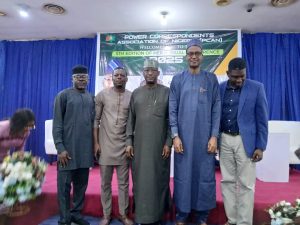
The Nigerian power sector must adopt cost‑reflective tariffs while safeguarding citizens from energy poverty, said Engr. Abdu Bello Mohammed, Managing Director and CEO of the Nigerian Independent System Operator (NISO).
Engr. Mohammed made the call in his keynote address at the 5th Annual Power Correspondent Association of Nigeria (PCAN) conference held on Thursday 6th November 2025 at the Nicon Luxury Hotel in Abuja.
Speaking on the theme “Cost Reflective Tariff vs. Energy Poverty: Finding a Pricing Balance in the Nigerian Power Sector,” Engr. Mohammed emphasized that tariff design is the heartbeat of a sustainable electricity market. He noted that while the Multi‑Year Tariff Order provides a transparent methodology based on exchange rates, inflation and gas prices, political and social pressures have kept tariffs below cost‑recovery levels, leaving utilities with liquidity shortfalls and deterring investment.
Engr. Mohammed warned that energy poverty remains a critical challenge, with millions unable to afford reliable electricity, affecting education, small businesses and industrial growth. He argued that cost‑reflective tariffs and affordability are not mutually exclusive, provided reforms are paired with targeted subsidies, efficiency improvements and transparent governance.
Key solutions he outlined include deploying lifeline tariffs and welfare‑linked rebates for vulnerable households, eliminating technical and commercial losses through better metering and data accuracy, and leveraging the new Electricity Act to enable state sub‑national markets and decentralized solutions like micro‑grids.
He also called for regulatory predictability, service‑based tariffs tied to performance, and enhanced communication to build public trust.
From NISO’s perspective, Mohammed reaffirmed the organization’s commitment to improving market transparency, dispatch efficiency and grid reliability through digital platforms, SCADA upgrades and energy‑management systems. He urged stakeholders to align gas‑pricing reforms, invest in energy efficiency, and strengthen data governance to narrow the revenue gap and support realistic, socially sensitive tariffs.
In his welcome address, PCAN chairman, Obas Esiedesa noted that the theme of the conference could not have been more timely.
According to him, It captures one of the most critical policy dilemmas confronting Nigeria today – how to set tariffs that ensure the financial sustainability of the industry without deepening energy poverty among citizens.
“More than a decade after the privatization of the power sector, this balance remains a formidable challenge. The industry is still weighed down by an estimated ₦6 trillion debt owed by the Federal Government to power generation companies, a massive liquidity gap across the value chain, gas supply shortages, aging and weak transmission infrastructure, and rising foreign exchange costs that threaten investments and operations”, he added.
Esiedesa said while operators demand cost-reflective tariffs as a condition for viability, millions of Nigerians continue to live in darkness or rely on expensive self-generation.
“According to the World Bank, about 85 million Nigerians, roughly 43 percent of our population, still lack access to grid electricity, making Nigeria home to the largest electricity access deficit in the world. This statistic is not just a number; it is a stark reminder of the scale of our national challenge and the urgency of reform.
“At the same time, those who do have access are often confronted with high tariffs, poor service delivery, and estimated billing, leading to frustration and declining public trust”.
The chairman stressed that the question now is how to achieve a fair, transparent, and socially responsible pricing framework that balances economic sustainability with public welfare.
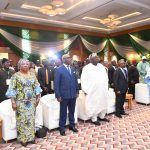
Spatk New Naija reports that the conference gathered regulators, industry leaders, media and sector stakeholders to chart a path toward a financially viable and inclusive power system for Nigeria.