




The Federal Ministry of Health and Social Welfare has taken a significant stride towards regulating organ and tissue transplantation in Nigeria by inaugurating the National Tertiary Health Institutions Standards Committee (NTHISC).
This move aligns with the provisions of the National Health Act 2014 and aims to address growing concerns over unethical and illegal transplantation practices in the country, according to a statement on Sunday by Alaba Balogun, Deputy Director, Information & Public Relations.
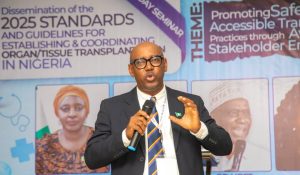
Chairman of NTHISC, Professor Philip O. Abiodun, emphasized the importance of the 2025 Standards and Guidelines for Establishing and Coordinating Organ/Tissue Transplantation in Nigeria, unveiled in March 2025.
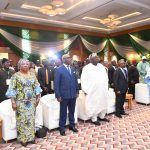
As part of efforts to disseminate the guidelines and raise awareness, the Ministry, in collaboration with Clarion Call Care Foundation (CCCF), convened a one-day stakeholder seminar in Abuja.
Delivering his keynote address, Prof. Abiodun stressed that the seminar marked the first in a series of regional dissemination events. He warned that without clear protocols and ethical standards, Nigeria risks unsafe practices, exploitation, and a loss of public trust.
“The 2025 Standards and Guidelines are Nigeria’s powerful tool to regulate every aspect of organ and tissue transplantation—ensuring donor and recipient safety, maintaining quality care, and eliminating malpractice and unethical conduct,” he said.
Prof. Abiodun drew attention to disturbing reports of exploitation, including cases of underage and impoverished Nigerians being coerced into organ donation, and young female undergraduates repeatedly recruited to donate eggs for assisted reproduction without adequate health risk awareness.
He described these cases as stark reminders of the dangers posed by weak regulation.
The NTHISC Chairman emphasized that the true impact of the guidelines depends on nationwide adoption and enforcement:
“Every facility offering transplantation services, every regulatory body, transplant surgeon, ethics committee, policymaker, and civil society organization must commit to upholding these standards,” he declared.
He further reiterated that the ethical foundation of the guidelines, which require voluntary and informed consent; prohibit organ trafficking and commercial dealings, and guarantee equitable access to transplantation services regardless of socioeconomic status.
Highlighting next steps, Prof. Abiodun announced:
Registration of all health institutions and practitioners involved in organ transplantation to strengthen compliance and service quality.
* Establishment of a National Organ Donation and Transplantation Registry to track activities, monitor outcomes, and support research.
* Plans to set up organ and tissue banking facilities for improved availability and timely access.
* Ongoing efforts to integrate transplantation services into the National Health Insurance Authority (NHIA) framework to reduce patient financial burden.
He called on philanthropists, development partners, and the private sector to support these transformative initiatives through funding, technical expertise, and advocacy.
Prof. Abiodun commended the Permanent Secretary, Federal Ministry of Health and Social Welfare, Daju S. Kachallom, mni, and the Clarion Call Care Foundation for their support of the Committee’s work.
In her remarks, Dr. Iyore James, President of CCCF, reaffirmed the Foundation’s commitment to promoting ethical practices and improved standards in transplantation.
The seminar, themed “Promoting Safe, Ethical and Accessible Transplantation Practices through Awareness and Stakeholders’ Engagement”, highlighted the importance of collective action in building a safe and equitable transplantation system in Nigeria.