


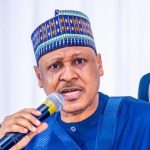

The Managing Director and Chief Executive Officer of the Nigerian Export-Import Bank (NEXIM), Abubakar Abba Bello, has hightlighted the transformative role of the bank’s EXCEL programme in unlocking the full potential of Nigeria’s Micro, Small, and Medium Enterprises (MSMEs).
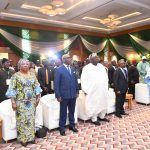
Speaking in Abuja on Wednesday at the SME Export Finance Sensitization Forum — organized by NEXIM in collaboration with the SEDIN Programme and its implementing partner, GIZ — Bello reaffirmed that MSMEs are the backbone of Nigeria’s economy.
Bello emphasized that the impact of MSMEs can not be overstated, stating that, with over 41 million MSMEs accounting for 96.9% of all registered businesses, contributing 48% to GDP, and employing 87.9% of the workforce.
According to him, 55% of MSMEs struggle with access to finance, and many fail within their first five years due to structural challenges like infrastructure deficits, high business costs, and regulatory burdens.
Addressing these challenges, he said the EXCEL Programme was conceived in partnership with GIZ. It is a strategic, digitally enabled initiative aimed at identifying and supporting export-ready MSME clusters across Nigeria.
“Through targeted training and access to tailor-made financial products, EXCEL will empower MSMEs to scale operations and compete globally,” he explained.
Citing World Bank data, Bello noted that exports of goods and services currently contribute only about 7.64% to Nigeria’s GDP — a figure that reflects the vast untapped potential of the MSME export sector.
The CEO also stated, that to help close this gap, NEXIM Bank has introduced several export financing solutions including the SME Export Facility (SMEEF) and the Women and Youth Export Facility (WAYEF). These are complemented by the bank’s NEXA digital platform, which offers MSMEs access to export services, financial management tools, and other digital resources.
“We are also preparing to onboard our SME clients onto the African Trade Gateway (ATG) to facilitate market access, streamline payment systems, and promote intra-African trade under the African Continental Free Trade Area (AfCFTA),” he added.
Bello commended the enduring partnership between NEXIM and GIZ, describing it as one built on shared values and a mutual commitment to inclusive growth.
He also acknowledged the strong presence and support of key stakeholders, including the Nigerian Export Promotion Council (NEPC), Small and Medium Enterprises Development Agency of Nigeria (SMEDAN), Abuja Enterprise Agency (AEA), Nigeria Association of Small and Medium Enterprises (NASME), Women Chamber of Commerce, Industry, Mines & Agriculture (WACCIMA), Nigerian Women in Agricultural Business (NIWAB), Nigeria Entrepreneurs Forum (NEF), and other partners.
“This forum is not just an event — it’s the beginning of a new journey. I encourage all participants to engage actively, ask questions, and take full advantage of the opportunities presented today,” Bello urged.
Also speaking at the event, a representative of the Deutsche Gesellschaft für Internationale Zusammenarbeit (GIZ) commended NEXIM for its proactive role in creating opportunities for Nigerians across non-oil value chains.
“Today’s forum marks the beginning of a nationwide sensitization campaign, with upcoming sessions planned in Edo, Plateau, and Lagos States,
“These efforts highlight NEXIM’s leadership and our joint commitment to equipping MSMEs with the tools they need to succeed in export markets” The GIZ representative revealed.
From GIZ’s perspective, supporting the EXCEL initiative aligns with its belief in the untapped potential of Nigerian MSMEs. With the right mix of finance, capacity building, and market access, MSMEs can fully leverage opportunities under the African Continental Free Trade Area (AfCFTA) and other global markets.
GIZ, a federal enterprise owned by the Federal Republic of Germany, has operated in Nigeria for over 50 years. It works on behalf of the German Federal Ministry for Economic Cooperation and Development (BMZ), with a mission to promote sustainable development worldwide.
In Nigeria, GIZ supports various initiatives under the Sustainable Economic Development for Decent Employment in Nigeria (SEDIN) programme — part of a broader focus on sustainable development, just transition, and regional cooperation through ECOWAS.
The GIZ representative concluded by encouraging MSME participants to make the most of the session.
“Engage, ask questions, and explore how the insights shared today can be applied to strengthen your businesses and clusters. Together, through initiatives like EXCEL, we can build an inclusive, export-ready MSME sector that drives Nigeria’s diversification and long-term growth.”