

The Federal Ministry of Livestock Development has unveiled plans to develop three grazing reserves in Abuja.
This initiative, aimed at phasing out open grazing—a contentious practice often linked to conflicts between farmers and herders—has ignited discussions about the future of livestock management across the nation.
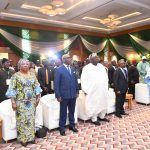
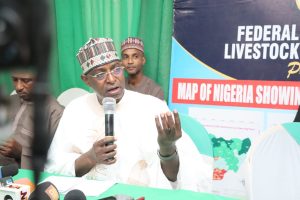
Spark News Naija reports report that at the 2025 Media Retreat held in Kaduna, the Minister of Livestock Development, Idi Mukhtar Maiha, declared, “All animals roaming city centers will be relocated to designated reserves; and we mean it.”
His words highlighted a significant governmental shift toward structured livestock management and the promotion of designated grazing areas as a method to reduce clashes and enhance productivity.
According to Maiha, in a statement on Tuesday, by Ben Bem Goong, Director, Press and Public Relations, the Ministry’s commitment to grazing reserves is described as not merely a policy intent but a long-standing initiative that is finally moving into the implementation phase.
The Minister elaborated on the benefits of this strategy, stating, “Developing grazing reserves will enable us to reduce open grazing and minimize conflicts between farmers and herders.”
Emphasizing that the overarching goal is to create a secure environment that supports both livestock development and agricultural sustainability.
Dr. Chinyere Ijeoma Akujobi, the Permanent Secretary of the Ministry, praised the role of effective communication among stakeholders. Represented by Director Victor Egbon, she expressed the hope that the retreat would foster stronger partnerships between the government and media, ultimately shaping a more informed public discourse about the reformative steps being taken in the livestock sector.
Participants at the retreat were encouraged to engage critically with issues impacting livestock management in Nigeria. Dr. Cletus Akwaya, Former Managing Director of LEADERSHIP Group, urged journalists to deepen their investigative efforts, moving beyond the narrative of conflict to highlight the opportunities and innovations present within the industry.
The discussions further emphasized the importance of development communication, as facilitator Peter Dama stressed the need for contextual reporting that resonates with audiences from varied backgrounds.
“Communication is not merely about transmitting information but about facilitating dialogue,” he noted, signaling a call for collaborative efforts in understanding and addressing the realities of livestock management.
Dr. Ishaq Bello’s session illuminated the economic contributions of the livestock sector to Nigeria’s Gross Domestic Product (GDP), while also pointing out the challenges of infrastructure and policy gaps that hinder optimal productivity.
He said these insights add urgency to the Ministry’s plans, emphasizing systematic changes to support the sector’s growth.
Stressing that as digital tools revolutionize journalism, technology expert Oluseun Taylor highlighted how journalists can leverage social media and data visualization to make livestock issues more relatable.
His argument positioned digital platforms as crucial for advocacy, education, and public engagement in adapting to new agricultural policies.
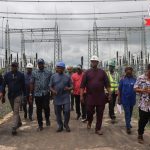
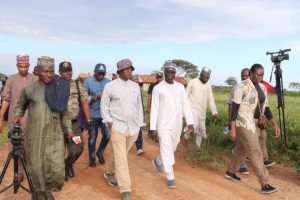
The retreat culminated in hands-on experience during a field visit to Zaidi Farms, where attendees experienced the current state of livestock infrastructure and its challenges. This immersive opportunity reinforced the Ministry’s intention to cultivate a productive dialogue with the media, encouraging them to be proactive partners in the discourse surrounding livestock reform.
“As Nigeria navigates these pivotal changes in livestock management, the implementation of grazing reserves in Abuja presents an opportunity to reshape agricultural practices, promote peace, and advance food security.
“The commitment of the Federal Ministry of Livestock Development marks a critical step towards a sustainable future in the nation’s agricultural landscape, emphasizing collaboration and innovation”.